Overview
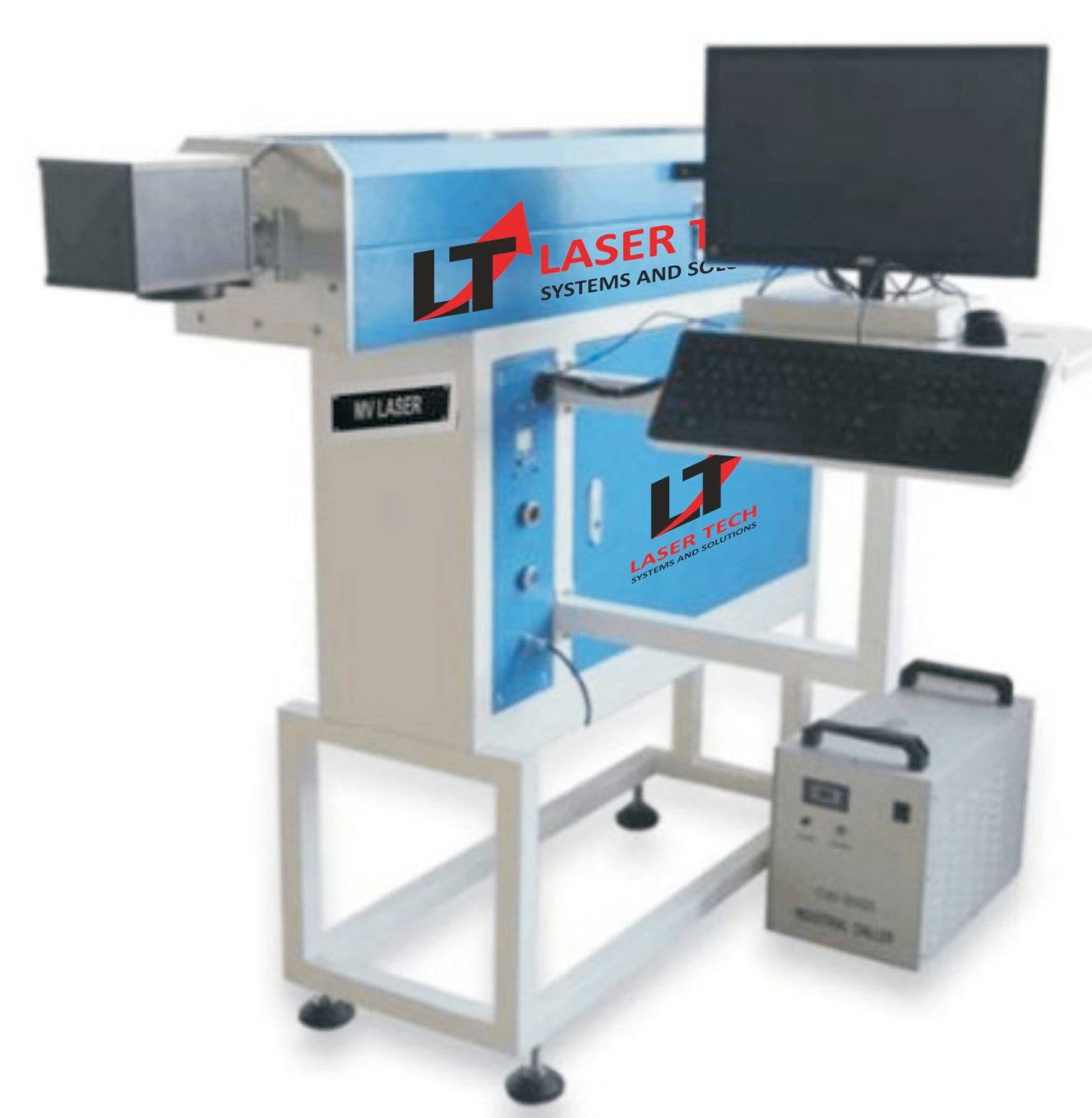
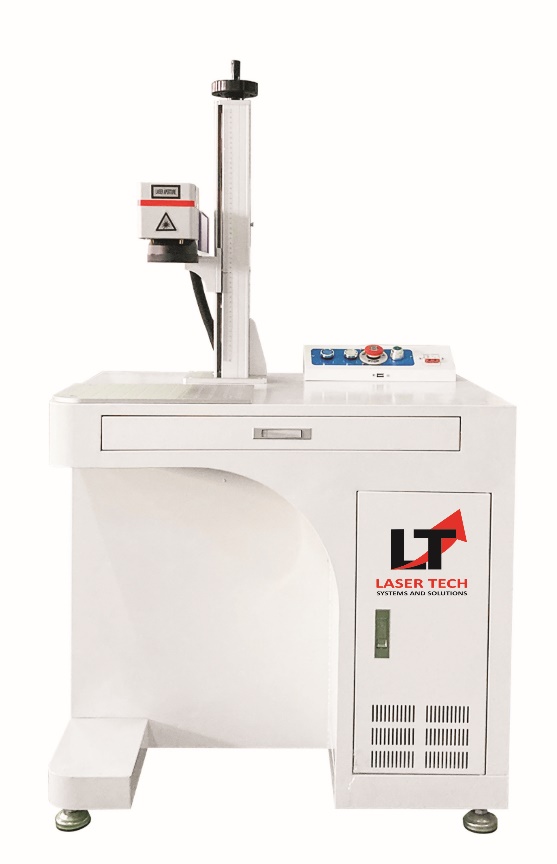
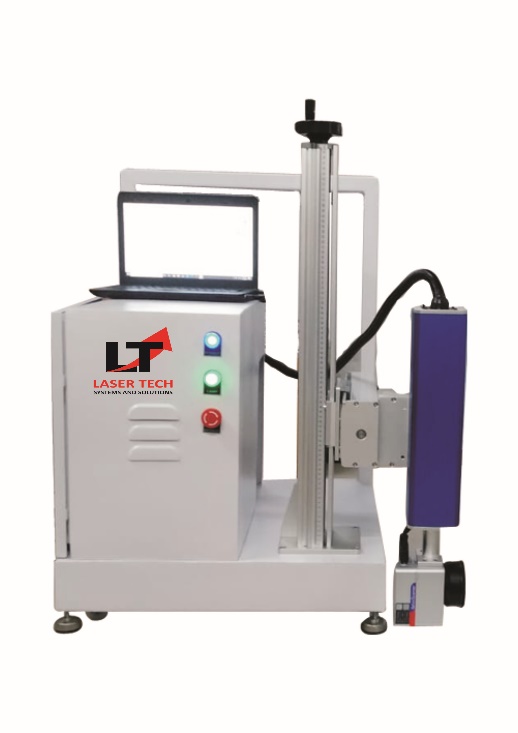
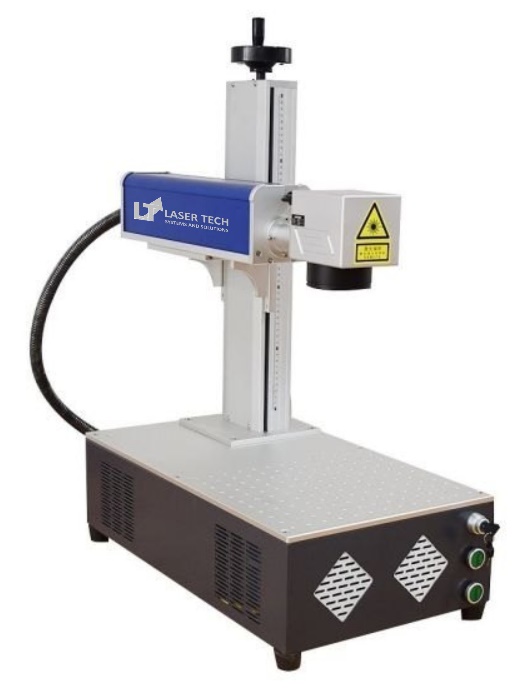
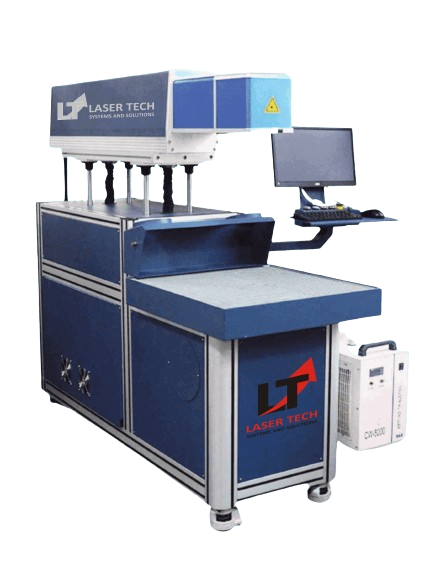
A CO2 laser marking machine is a versatile and efficient tool that uses a carbon dioxide laser beam to etch or engrave various materials, such as plastics, wood, glass, leather, and ceramics. Known for its precision and high-speed operation, this machine is widely used in industries where detailed and permanent markings are essential. One of its primary advantages is the ability to produce fine, high-resolution marks without physical contact, ensuring that the integrity of the material remains intact. Additionally, the machine's non-contact marking process reduces wear and tear, resulting in low maintenance and longer service life. The flexibility of the CO2 laser allows for customization and complex designs, making it ideal for applications in product identification, traceability, and branding. Its ability to handle a broad range of materials and deliver consistent, high-quality results makes the CO2 laser marking machine an indispensable tool in manufacturing, packaging, and creative industries.
Exact power, working area and configuration are specified to your application — talk to our engineers.
See it run
Drop this machine's combined video into website/videos/machines/ as co2-laser-marking-machine.mp4 and it appears here automatically, opening full size on click.
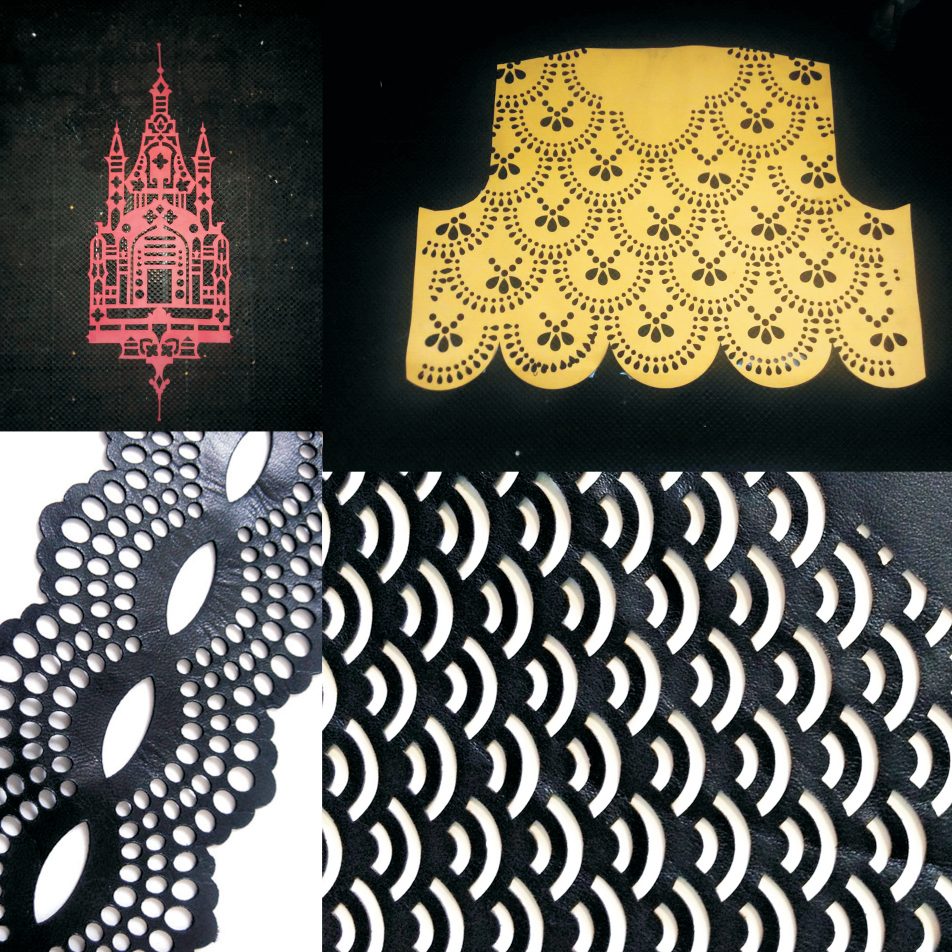
Sample results
Straight from the Co2 Laser Marking Machine brochure.


Advantages
Versatility in Materials: CO2 laser marking machines can mark a wide range of non-metallic materials, including plastics, wood, glass, leather, ceramics, and even certain metals when coated. This versatility makes them suitable for diverse applications across various industries, unlike other laser types that may be limited to specific materials. High-Resolution Marking: These machines are capable of producing high-resolution marks with fine details, ensuring precise and legible engravings. This is particularly beneficial for applications requiring intricate designs, such as logos, barcodes, and detailed text, providing a level of detail that other marking technologies may struggle to achieve. Non-Contact Process: The non-contact nature of CO2 laser marking means that the material surface remains unaffected by mechanical forces. This reduces the risk of damage or wear to the material, making it ideal for delicate or sensitive items. Additionally, this non-contact process leads to lower maintenance costs and extended machine lifespan due to reduced wear and tear on the equipment. Speed and Efficiency: CO2 laser marking machines operate at high speeds, allowing for rapid marking of products and components. This efficiency is crucial for high-volume production environments where time and productivity are critical. The fast marking capability helps in maintaining a streamlined workflow and meeting tight production deadlines. Consistency and Repeatability: CO2 lasers provide consistent marking quality across multiple units, ensuring uniformity and reliability in the finished products. This repeatability is essential for applications that require precise and identical markings on every piece, such as serial numbers, batch codes, and branding elements, ensuring compliance with industry standards and regulations.
Laser marks never fade, smudge or wear off, meeting ISO traceability requirements without any ink or consumable.
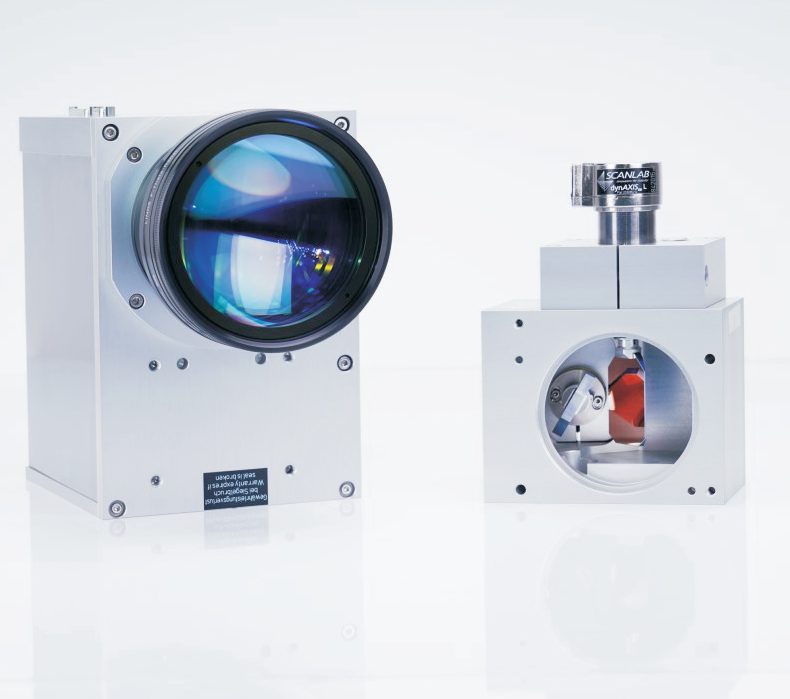
High-speed galvanometer scanning marks at production line pace, improving productivity and reducing labour.
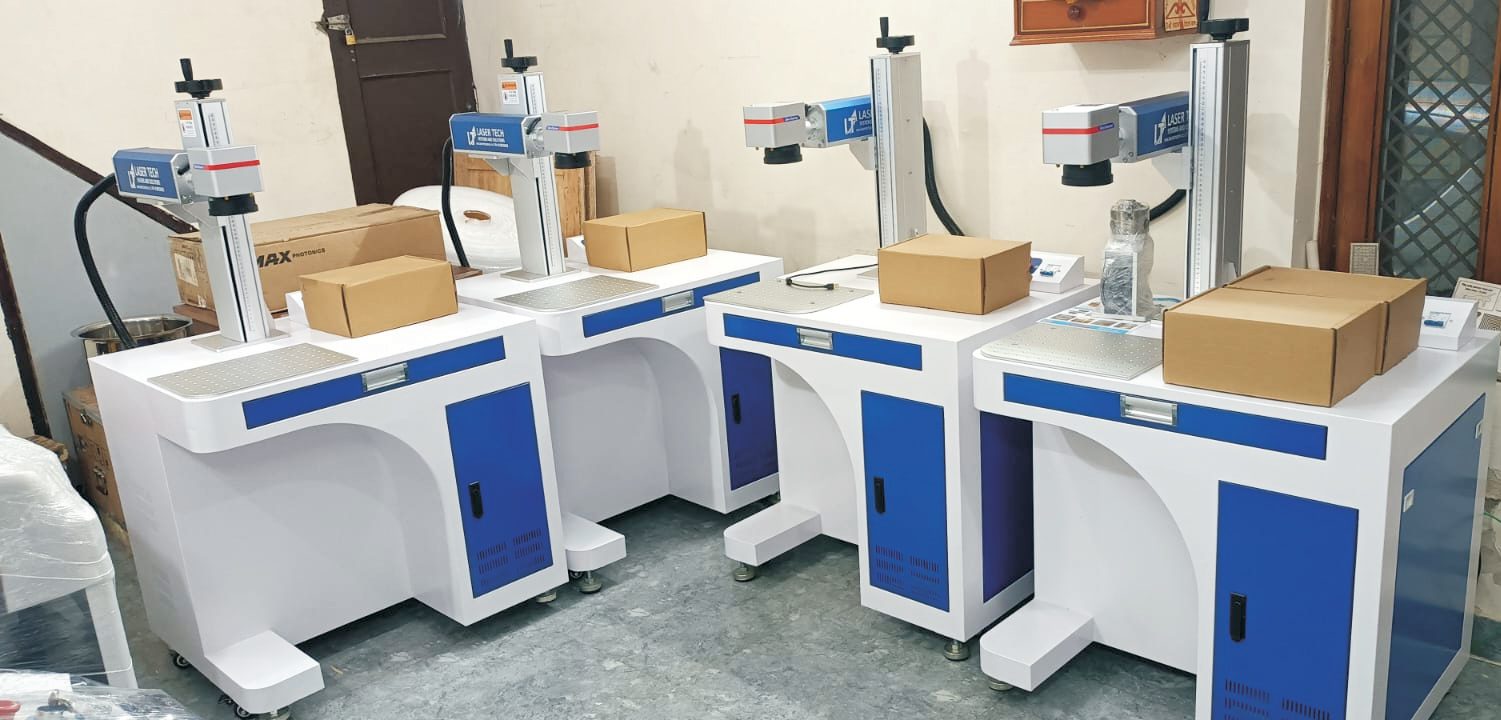
Fiber laser sources deliver over 100,000 hours of service life with no routine maintenance or consumables.
Applications
Hover any industry to read more.

Barcodes, data matrix codes and part numbers for full production traceability.

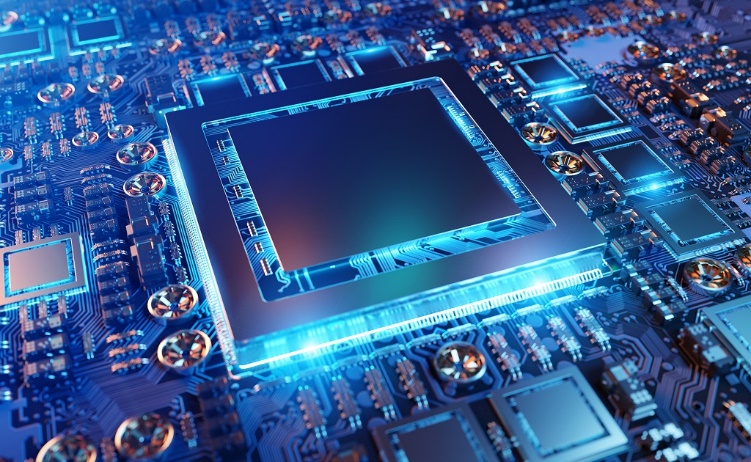
Precise marking of components, PCBs and connectors without heat damage.

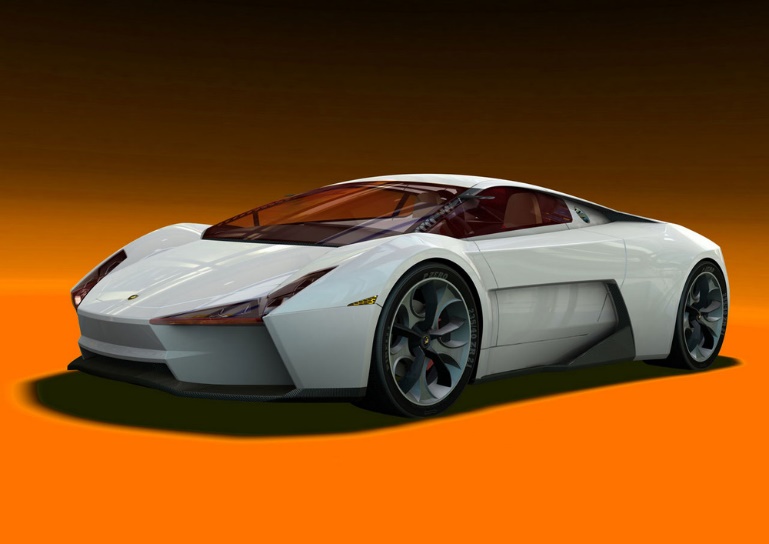
Chassis, engine and component identification across the auto supply chain.
Book a free demo with your own component, or download the full brochure.